Germany EV Tax Exemption: Secure Your 10-Year Savings
An in-depth guide to Germany’s Kfz-Steuerbefreiung für Elektroautos, detailing vehicle eligibility, automatic tax abatement mechanics, and long-term savings.
3 min read
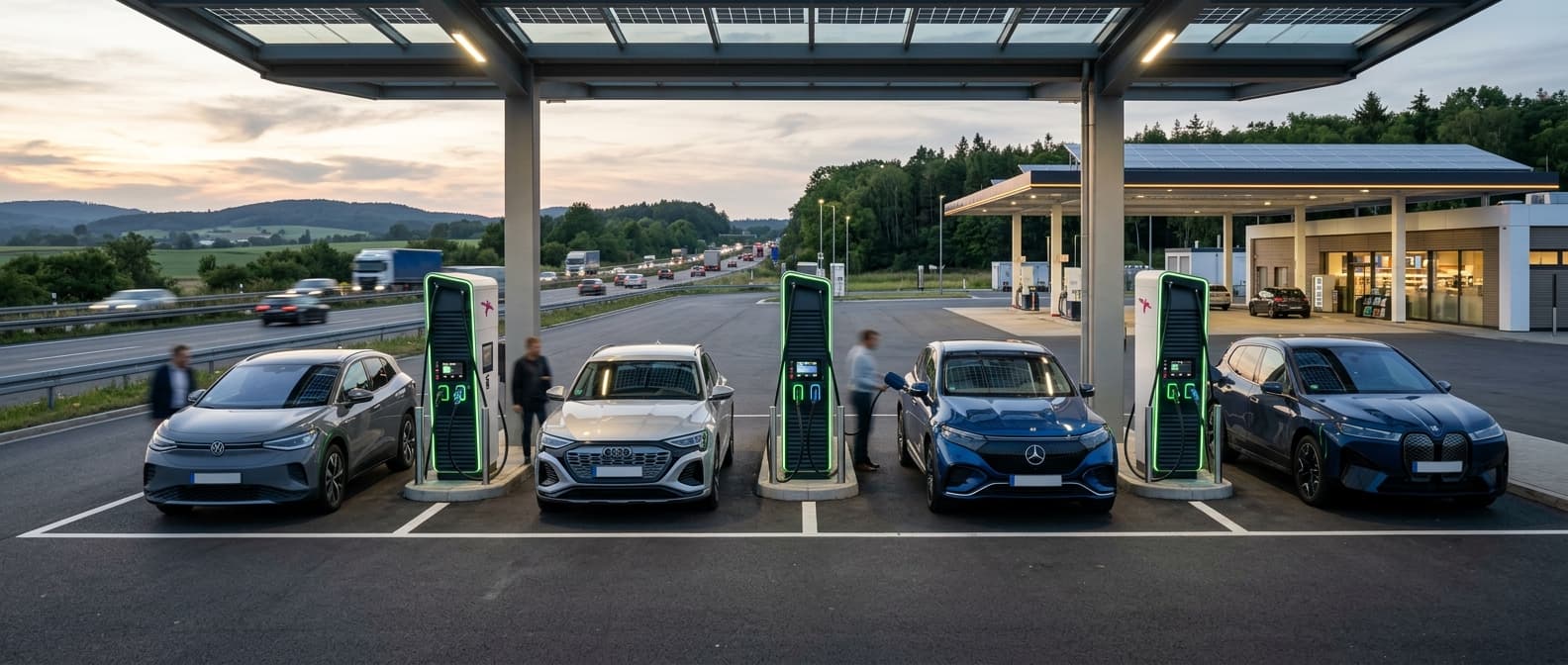
German car buyers can enjoy substantial long-term savings through a complete exemption from the annual motor vehicle tax (Kraftfahrzeugsteuer). This active domestic programme, known as the Kfz-Steuerbefreiung für Elektroautos, is fully open to citizens in Germany who register eligible zero-emission passenger cars. By eliminating recurring tax liabilities, the federal government aims to lower the total cost of ownership for electric vehicle adopters without requiring them to submit complex applications.
- Exemption Period
- Up to 10 Years
- Registration Cutoff
- December 31, 2030
- Absolute Programme End
- December 31, 2035
- Post-Exemption Benefit
- 50% Tax Reduction
Choosing Your Passenger Car: Which Path Maximises Your Savings?
Choosing a vehicle that qualifies for the maximum exemption requires understanding the precise technical and timing rules set by German authorities. Under the framework, only passenger cars (M1) that produce zero localized emissions are eligible for the benefit. This means the incentive is strictly limited to Battery Electric Vehicles (BEVs) and Fuel Cell Electric Vehicles (FCEVs). Any vehicle equipped with a primary or secondary internal combustion engine, including Plug-in Hybrid Electric Vehicles (PHEVs), Hybrid Electric Vehicles (HEVs), and Range-Extender Electric Vehicles (REEVs), is entirely excluded from the tax exemption.
Beyond the powertrain, timing is a critical factor in determining your actual financial benefit. The passenger car must be first registered or technically converted by December 31, 2030, to qualify for any portion of the tax exemption. However, a hard regulatory cutoff is set for December 31, 2035. This means that an electric passenger car registered in 2026 can enjoy the full 10-year tax-free window. Conversely, an EV registered in 2029 will only receive a six-year exemption, as all active tax-exempt statuses under this programme will terminate permanently on the 2035 cutoff date.
How the Money Flows: The Automatic Tax Abatement Process
Understanding how the money flows in this programme is straightforward, as it differs fundamentally from direct cash grants or dealer-advanced subsidies. There is no direct payment, invoice requirement, or point-of-sale deduction. Instead, the subsidy operates as a 100% tax abatement administered by the Federal Customs Administration (Zollverwaltung) through Germany's Main Customs Offices (Hauptzollämter).
When a citizen registers an eligible passenger car, the local vehicle registration office (Zulassungsstelle) automatically transmits the vehicle's technical data to the customs administration. Because this registration channel is fully automated, buyers do not need to secure pre-approval or worry about funding caps that occasionally exhaust direct grant programs. For prospective buyers navigating these rules, tools like the CivilAuto tax calculator can estimate the exact theoretical tax liability that is being waived, providing a clear view of the long-term operational savings.
What Happens After Registration: Timeline and Next Steps
Since the application channel is fully integrated into the standard vehicle registration process, the timeline and next steps for citizens are minimal. Once the registration authorities verify that the passenger car is driven exclusively by electric motors, the Federal Customs Administration (Zollverwaltung) processes the exemption. The vehicle owner then receives an official tax assessment notice (Steuerbescheid) from their local Main Customs Office (Hauptzollamt) confirming that their annual motor vehicle tax liability is zero.
Once the initial ten-year exemption period expires, or after the hard stop on December 31, 2035, the vehicle transitions to a secondary tier of support. Owners are not subjected to the full tax rate applied to combustion engines. Instead, they receive a permanent 50% tax reduction. This post-exemption rate is calculated based on the passenger car's total permissible weight (zulässiges Gesamtgewicht), using the standard tax tables to ensure continued, albeit reduced, fiscal relief.
It is also worth noting that this tax exemption is tied directly to the vehicle rather than the individual owner. If you decide to sell your qualifying passenger car on the secondary market in Germany before the exemption period ends, the remaining tax-free status transfers automatically to the subsequent owner. This transferability helps maintain the residual value of used electric vehicles, making the transition to sustainable mobility highly practical for both original and second-hand buyers.