Grynųjų Elektromobilių Įsigijimo Skatinimas: Lithuania's €50M EV Fund
Lithuania's Grynųjų elektromobilių įsigijimo skatinimas electric vehicle subsidy programme officially closed on June 30, 2026, marking the end of a €50 million domestic support package.
2 min read
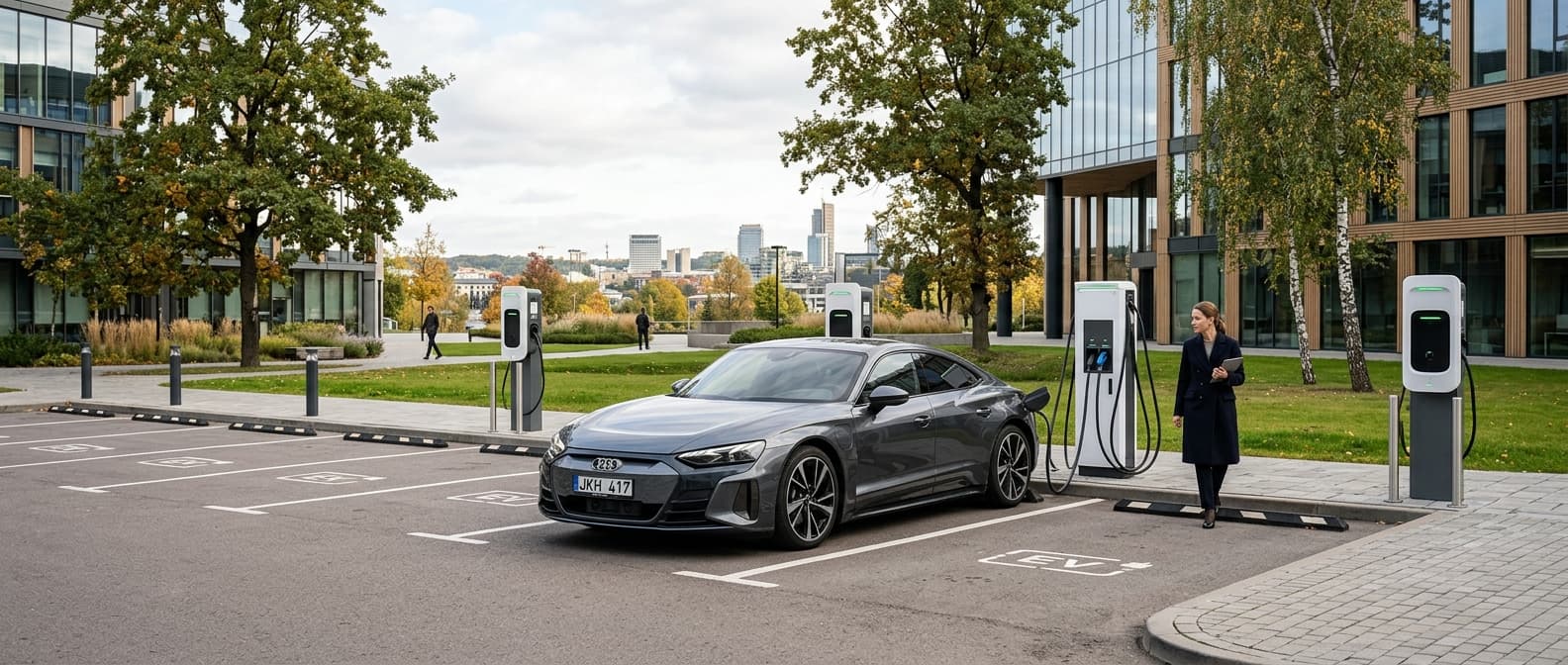
The Grynųjų elektromobilių įsigijimo skatinimas (Zero Emission Vehicle Acquisition Promotion) programme in Lithuania closed its application window on June 30, 2026. Prior to this closure, the domestic initiative offered dedicated financial support to encourage citizen electric vehicle acquisitions across the country. The initiative has now been officially superseded, meaning active citizen applications are no longer being accepted under this specific framework.
- Total Programme Budget
- 50,000,000 EUR
- Active Window
- June 2, 2022 – June 30, 2026
- Programme Status
- Closed (Superseded)
- Administering Agency
- Environmental Project Management Agency (APVA)
The Genesis of the €50 Million Domestic Allocation
Lithuania launched this ambitious initiative on June 2, 2022, as part of a coordinated effort to modernize the country’s passenger transport fleet. Backed by a domestic budget allocation of 50,000,000 EUR, the program sought to reduce the initial capital premium associated with zero-emission alternatives. By utilizing national funds rather than European transition tranches, Lithuania retained legislative sovereignty over the target demographics and local delivery mechanisms.
During its four-year operational tenure, the funding pool remained resilient, supporting thousands of citizens in transitioning to fully electric passenger cars. The initiative concluded precisely as scheduled on June 30, 2026, having fully distributed or accounted for its multi-million euro capital allocation.
Administrative Governance and Target Audience
The program was managed centrally by the Environmental Project Management Agency (APVA). APVA operated under the direct joint supervision of the Lithuanian Ministry of Environment and the Ministry of Transport and Communications. This centralized structure ensured that compliance checks, financial disbursements, and identity verifications conformed to rigid anti-fraud standards.
The primary focus of this subsidy framework was individual citizen mobility, specifically subsidizing pure electric vehicles within the passenger car segment. While detailed individual eligibility rules, household income thresholds, and package-by-package breakdowns are missing from the current historical datasets, historical applicant flows were managed directly through APVA's digital platform. For buyers who successfully registered within the active window, the subsidy represented a major step forward in regional EV accessibility.
Transitioning Beyond the Grynųjų Elektromobilių Scheme
Because the programme is now categorized as superseded, current EV buyers in Lithuania cannot submit new claims under this 50,000,000 EUR capital block. The completion of this funding round reflects a broader shift in Baltic climate policy toward integrated, multi-modal transport incentives.
For consumers entering the electric vehicle market today, staying informed on successor initiatives is vital. Independent tracking resources like CivilAuto help citizens navigate the evolving legislative landscape, providing clear alerts when new domestic funding rounds or parallel green transport initiatives are introduced by the Lithuanian government.